
"The biggest story wasn't what witnesses said at DEA's hearing-it was what DEA refused to let the American public hear." - Duane Boise, President & CEO, MMJ International Holdings
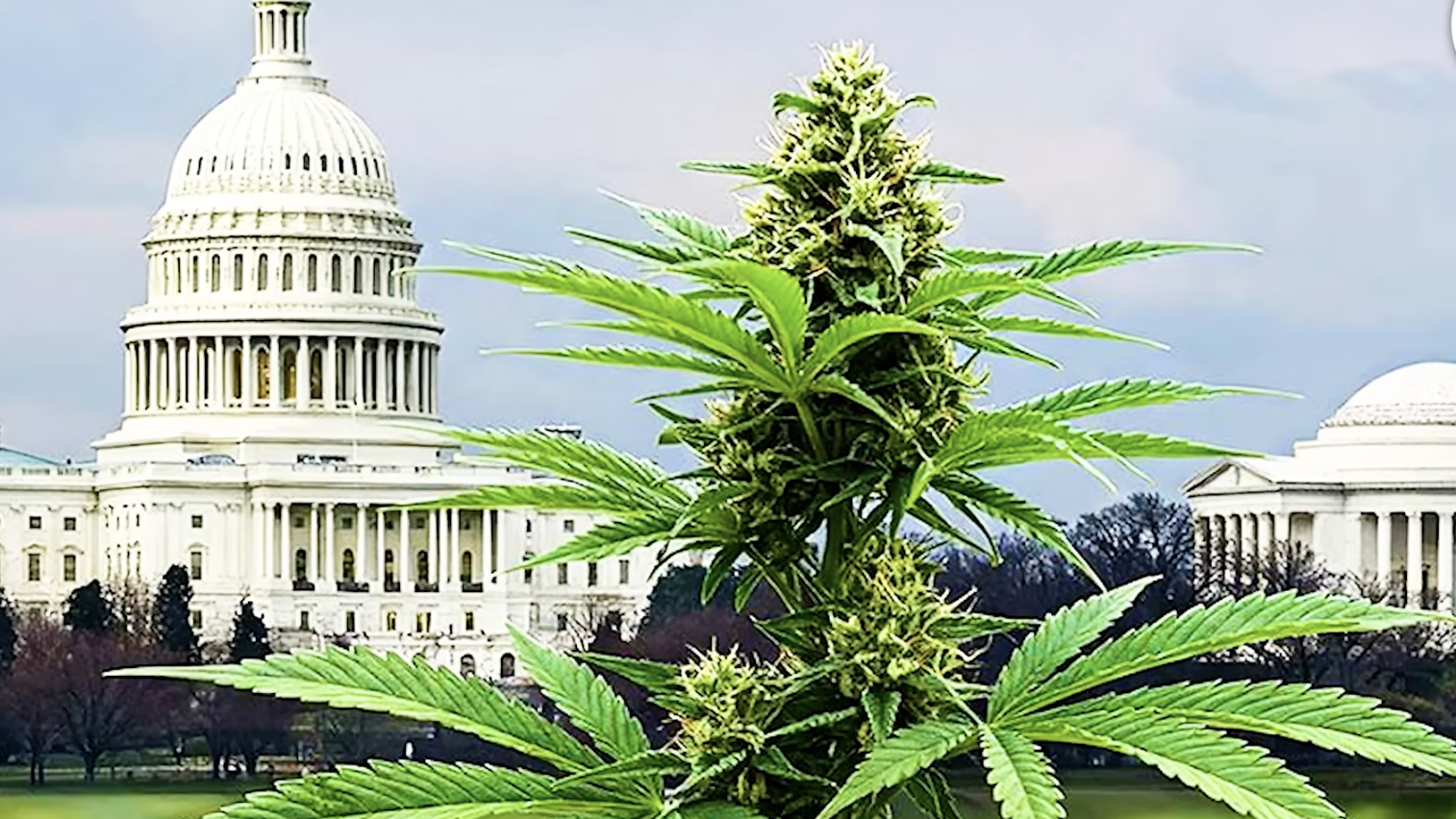
WASHINGTON, D.C. / ACCESS Newswire / July 14, 2026 / As the Drug Enforcement Administration's marijuana rescheduling hearing concludes, most cannabis industry coverage has focused on daily witness testimony, political theater, and predictions about whether marijuana should move to Schedule III.
According to MMJ International Holdings, Inc. (MMJIH), that coverage is missing the most important development.
"The biggest story isn't what happened inside the hearing room," said Duane Boise, President and CEO of MMJ International Holdings. "It's what DEA refused to allow into the hearing room."
Weeks before testimony began, DEA denied MMJ's request to participate-not because the company lacked expertise, but because DEA concluded that MMJ's challenges involved questions of law rather than factual testimony. Those issues include whether the rescheduling process complies with the Controlled Substances Act, the United States' treaty obligations under the Single Convention on Narcotic Drugs, and whether DEA's administrative adjudication process satisfies Article II of the Constitution.
That decision may ultimately prove far more significant than anything said during two weeks of testimony.
The Hearing May End. The Legal Fight Is Just Beginning.
MMJ is not a state marijuana operator.
The company has spent nearly a decade pursuing FDA approved cannabinoid medicines through two Investigational New Drug applications for Huntington's disease and multiple sclerosis while simultaneously seeking a DEA bulk manufacturing registration that has remained pending since 2018.
Rather than being permitted to present evidence, DEA informed MMJ that its principal objections belonged in federal court-not in the administrative hearing.
For MMJ, that rejection creates an administrative record showing the company raised its legal objections before the agency and was expressly told those issues would not be heard during the proceeding.
The Hearing Also Exposed a Growing Divide
As testimony concluded, another contrast became increasingly difficult to ignore.
One co-petitioner challenging the rescheduling order, pain specialist Dr. Kenneth Finn, was permitted to testify before the administrative law judge.
MMJ-the pharmaceutical developer investing millions of dollars in FDA-regulated cannabinoid drug development and pursuing DEA registrations-was excluded entirely.
According to MMJ, that distinction highlights the central question now facing the U.S. Court of Appeals for the D.C. Circuit:
Who is entitled to participate when federal marijuana policy is rewritten?
The Real Decision Will Not Be Made at DEA
While headlines have portrayed the hearing as the decisive event, MMJ says the controlling legal questions now reside with the D.C. Circuit.
Those appeals challenge, among other things:
Whether DEA lawfully used its treaty authority to implement portions of marijuana rescheduling;
Whether the agency created unequal regulatory pathways favoring state-license holders over companies pursuing the federal pharmaceutical process;
Whether DEA's administrative process complies with constitutional requirements; and
Whether companies that invested in the federal regulatory system were denied equal treatment under the Controlled Substances Act.
"The hearing generated testimony," Boise said. "The courts will determine whether the process itself was lawful."
Beyond Schedule III
MMJ maintains that the issue extends beyond marijuana policy.
It concerns whether companies that followed the FDA and DEA's federally prescribed pathway receive the same regulatory consideration as businesses operating exclusively under state cannabis programs.
As the administrative hearing closes, MMJ says the legal battle has only entered its most consequential phase.
"The headlines have focused on witnesses," Boise said. "History is far more likely to remember the documents that never reached the witness stand-and the legal questions DEA admitted it would not decide."
About MMJ International Holdings, Inc.
MMJ International Holdings, Inc. is a pharmaceutical company developing proprietary cannabinoid-based medicines through the FDA drug approval process for Huntington's disease and multiple sclerosis. The company and its affiliates maintain DEA registrations and are pursuing federal approvals under the Controlled Substances Act and the Food, Drug, and Cosmetic Act.
Media Contact
Madison Hisey
MMJ International Holdings, Inc.
mhisey@mmjih.com
203-231-8583
SOURCE: MMJ International Holdings
View the original press release on ACCESS Newswire
COMTEX_488155859/2457/2026-07-14T14:55:04