
Chairman Michael Selig to Rep. Mark Harris (R-NC) regarding the SILVER Act (H.R. 8007): "We applaud your leadership on this issue and we'd be happy to work with your office on it."
WASHINGTON, D.C. / ACCESS Newswire / April 16, 2026 / At today's U.S. House Agriculture Committee oversight hearing, Commodities Futures Trading Commission (CFTC) Chairman Michael Selig today applauded - and pledged to assist the efforts by - two members of Congress who recently introduced the "System Integrity through Licensed Vault Expansion and Resilience Act" (SILVER Act).
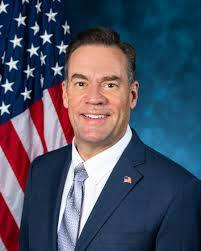
The SILVER Act (H.R. 8007):- introduced by Rep. Russ Fulcher (R-ID) and Rep. Mark Harris (R-NC) - seeks to address longstanding geographic limitations on approved depositories for precious metals tied to regulated futures markets.
Under current exchange practices, these storage facilities are largely confined to the Greater New York City area, creating what lawmakers and industry participants describe as a concentration risk with negative implications for market stability, national security, liquidity, and investor access.
Speaking at today's oversight hearing, Rep. Mark Harris said: "Mr. Chairman, I was concerned to learn that the only approved metals depositories used for deliveries on gold and silver futures contracts are heavily concentrated in the single geographic region around New York City.
"And this level of geographic concentration is troubling to me from a point of national security, market efficiency, and operational resiliency standpoint, which is why I chose to be an original co-sponsor of the Silver Act that seeks to correct this issue. After all, we've seen firsthand whether through terrorist attacks like nine eleven, extreme weather events like Hurricane Sandy, the New York region is not immune to disruption.
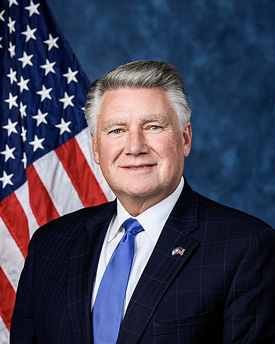
"And so concentrating critical financial infrastructure in a single region like New York does tend to create potential risk and vulnerabilities that we just wouldn't accept in other sectors, especially one that is so crucial to our financial system.
"So with that and our national security, this is why I believe geographic diversity is an important component of operational resilience and risk management. Mr. Chairman, let me ask you, while it made sense 100 years ago for these depositories to be located in the greater New York area, why in our modern age are they still centralized in a single location where they're susceptible to these kinds of events, terrorist attacks, and foreign threats that I just mentioned?"
Chairman Selig:"Well, Congressman, as a regulator of our commodity derivatives markets, it's absolutely critical that we have deliverable supply available as it's possible to take our futures contracts to delivery. And to the extent there's concentration risk, that's certainly something that we'd evaluate as a regulator in ensuring that our contracts have integrity and that our markets are well functioning. So we applaud your leadership on this issue and we'd be happy to work with your office on it."
Congressman Harris: "So are you willing to study whether the current concentration of precious metals depositories in a single geographic area does pose a systemic risk to market stability international security?"
Chairman Selig: "Congressman, we'd certainly work together with your office to better understand the risks caused by this concentration."
Congressman Harris: "Super.Well, these markets really were designed to help participants manage and mitigate risk, so it stands to reason that we should also ensure the market structure itself is resilient and capable of mitigating its own risk."
Addressing Concentration Risk and Market Access
Today's framework restricts exchange-approved precious metals vaults to within roughly 150 miles of New York City, limiting participation from qualified facilities elsewhere in the country while also undermining overall market liquidity, availability, and participation.
This geographical concentration has raised concerns about vulnerability to disruptive events, including natural disasters, cyber incidents, or security threats that could impact a single region and ripple across global markets.
Supporters of the legislation argue that expanding eligibility to include secure depositories in other regions-particularly in the Western United States, where much of the nation's mining and refining activity occurs-would improve market resiliency and access. Significant supply and price dislocations across the global precious metals markets over the past year have uncovered vulnerabilities.
Enhancing Competition, Liquidity, and Affordability
In addition to risk concerns, proponents say the current system limits competition and drives higher costs for investors. Storage fees at existing exchange-approved facilities are often at the maximum allowable rates, while comparable facilities outside the New York region may offer services at significantly lower costs.
The SILVER Act would direct the CFTC to promote transparency in the depository selection process and encourage broader geographic participation.
The bill does not mandate the approval of specific facilities but aims to ensure a more open and competitive framework.
Industry stakeholders note that expanding the network of approved depositories could increase storage capacity, improve liquidity, and make it easier for investors, producers, and institutions to participate in the market without incurring unnecessary transportation and storage costs.
"Greater access to qualified storage facilities across the country will also enhance efficiency and reduce barriers to entry," said Stefan Gleason, CEO of Money Metals Depository, one of the largest commercial gold and silver vaults in North America.
"We're pleased the CFTC has agreed to work with industry experts and members of Congress to address the risks caused by the current practice of derivative clearing organizations to exclude qualified depositories located throughout the United States from the regulated futures markets."
Responding to Growing Demand
The introduction of the SILVER Act comes amid rising investor interest in precious metals, driven by inflation concerns and geopolitical uncertainty, resulting in increased demand for hard assets. Policymakers and industry leaders have emphasized the need for infrastructure that can support this growth while maintaining stability in regulated markets.
If enacted, the legislation would mark a significant step toward modernizing the U.S. precious metals market by addressing concentration risks, improving market access, and fostering greater competition.
The SILVER Act is supported by members across the precious metals ecosystem in the U.S., including mints, dealers, manufacturers, banks, depositories, and investors.
jp.cortez@soundmoneydefense.org
SOURCE: Sound Money Defense League
View the original press release on ACCESS Newswire
COMTEX_477373976/2457/2026-04-16T14:10:45