BOULDER, CO, Jan. 02, 2026 (GLOBE NEWSWIRE) — Disclaimer: This article is for informational purposes only. It is not medical advice. Always consult a qualified healthcare professional before starting supplements. If you purchase through links in this article, a commission may be earned at no additional cost to you.
As early January begins, search interest often rises across weight-management topics, reflecting seasonal consumer attention and renewed focus on wellness goals. This consumer analysis examines how chocolate-based supplement positioning intersects three simultaneous market factors: published research documenting cacao's influence on satiety mechanisms, predictable New Year wellness commitment patterns, and growing consumer awareness of GLP-1 hormone pathways following mainstream pharmaceutical coverage.
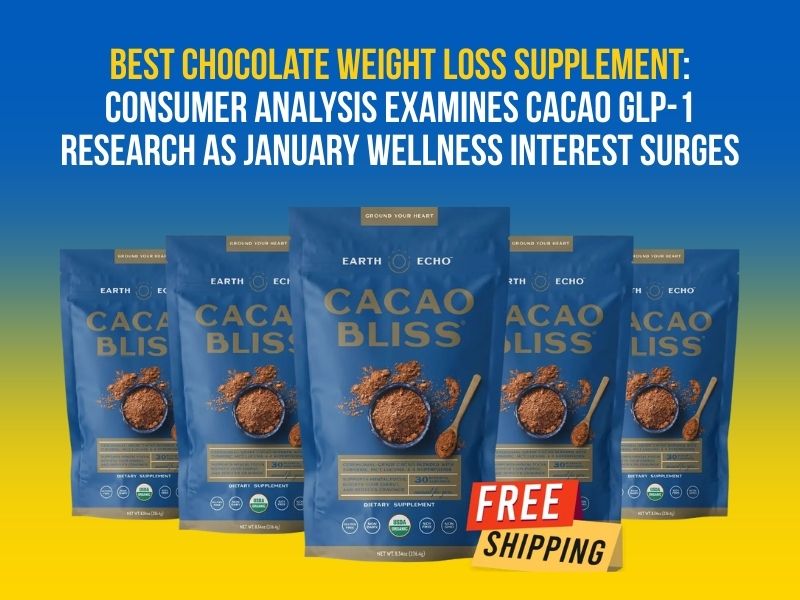
This analysis specifically summarizes how Earth Echo Foods positions its Cacao Bliss ceremonial-grade formulation within this context, providing consumers with a summary of publicly available ingredient disclosures, processing method claims, and research context frequently referenced in chocolate-based metabolic support supplement discussions.
What This Analysis Provides:
This report systematically summarizes Earth Echo Foods' publicly available ingredient disclosures, examines the research context often cited in chocolate weight loss supplement discussions, provides a safety framework based on published ingredient information, and outlines common questions consumers consider when evaluating supplement fit. This is a summary of publicly available information–not product endorsement or independent verification of efficacy claims.
Readers who want to review the company's current product description and posted terms can view Earth Echo Foods' official Cacao Bliss product page.
What “Best Chocolate Weight Loss Supplement” Actually Means in 2026 (And What It Doesn't)
When consumers search for “best chocolate weight loss supplement” following advertisement exposure or social media content, they're typically asking three distinct questions: Is there legitimate research supporting chocolate for weight management? How do I differentiate quality formulations from inferior products? Which specific product aligns with my individual needs and circumstances?
Understanding what “best” actually means requires establishing evaluation criteria rather than declaring winners. This analysis does not determine which product is objectively “best” as individual needs, preferences, metabolic responses, and health circumstances vary dramatically across consumers. Instead, this section establishes the framework readers can use to conduct their own evaluations.
Category Definition: What Makes a Chocolate Supplement Different From Conventional Chocolate
The fundamental distinction consumers must understand: chocolate-based weight management supplements represent a specific product category that differs substantially from conventional chocolate products purchased in grocery stores. The differentiation centers on processing methods, ingredient purity, bioactive compound preservation, and formulation strategy.
According to research published in The Journal of Agricultural and Food Chemistry, conventional chocolate processing–including high-temperature roasting (often 300-450°F) and alkaline treatment called Dutching–reduces antioxidant content substantially compared to minimally processed cacao. This processing degradation explains why eating conventional milk chocolate doesn't produce the metabolic outcomes observed in research studies using minimally processed cacao.
The term “ceremonial-grade cacao” references traditional preparation methods used in Central and South American cultures, where cacao beans undergo sun-drying and minimal processing to preserve naturally occurring compounds. Modern supplement formulations using ceremonial-grade positioning claim to maintain these bioactive compounds through temperature-controlled processing rather than high-heat industrial methods.
Evaluation Criteria for Comparing Chocolate-Based Supplements
Consumers evaluating options in this category should verify the following information from company sources:
Processing Method Transparency: Does the company disclose whether cacao is roasted at high temperatures or processed using low-heat methods? Is alkaline treatment (Dutching) used? Temperature and pH manipulation directly impact compound preservation.
Ingredient Disclosure Standards: Does the company list specific ingredient amounts or hide formulation details behind “proprietary blend” language? Proprietary blends prevent consumers from comparing dosages or evaluating adequacy against research contexts.
Third-Party Testing Verification: Does the company provide documentation of third-party testing for purity, potency, and contaminant screening? Quality manufacturers invest in independent verification.
Company Legitimacy Indicators: Can consumers easily find contact information including phone numbers, email addresses, and physical headquarters locations? Are return policies clearly stated with adequate evaluation windows? Legitimate companies provide transparent communication channels.
Research Context Alignment: When companies reference research studies, can consumers verify those studies exist through independent searches? Are study details accurately represented or selectively presented?
These criteria provide a methodology for evaluation across any product in this category, not just Earth Echo Foods' Cacao Bliss specifically.
Why January 2026 Search Volume Patterns Create Heightened Consumer Interest
Understanding seasonal search behavior provides context for current market attention on chocolate-based weight management supplements and the timing of this analysis. According to recurring patterns observable in public trend tools, weight loss-related search terms often show elevated interest during the first weeks of January compared to late-year baseline periods.
This surge reflects several psychological and cultural factors: New Year resolution commitment psychology creates temporary motivation enhancement as individuals set fresh goals following the symbolic January 1st temporal landmark. Post-holiday awareness develops after approximately two months of seasonal indulgence (Thanksgiving through New Year's), creating desire for course correction. Increased health consciousness emerges as individuals reflect on aging, mortality, and wellness priorities during year-end periods.
The GLP-1 Cultural Moment
A significant factor influencing current chocolate weight loss supplement interest involves widespread consumer awareness of GLP-1 hormone function, driven by prescription GLP-1 medication coverage in mainstream media. Pharmaceutical interventions that work by mimicking GLP-1's appetite suppression effects have received extensive discussion, educating consumers about this satiety hormone pathway.
This pharmaceutical awareness creates consumer curiosity about whether dietary approaches can support natural GLP-1 production at meaningful levels–a question that published research has begun examining. The appeal of “chocolate instead of injections” messaging capitalizes on this cultural moment where consumers understand GLP-1's function but seek alternatives to prescription interventions.
Consumer Sophistication About Processing Quality
Another relevant trend involves increasing consumer attention to ingredient sourcing and processing method differentiation. Modern consumers demonstrate growing skepticism toward generic supplement positioning and increasingly seek verification of quality claims through processing transparency, sourcing documentation, and third-party testing confirmation.
This sophistication benefits companies investing in premium processing methods and transparent disclosure, as educated consumers can differentiate between conventional cocoa powder marketed as premium versus genuinely preserved ceremonial-grade formulations.
Earth Echo Cacao Bliss: What the Company Discloses About Formulation and Positioning
According to publicly available materials from Earth Echo Foods, Cacao Bliss represents a specific formulation strategy: ceremonial-grade cacao combined with seven additional ingredients positioned for synergistic metabolic support, marketed as a chocolate drink mix that may naturally support satiety hormone function when consumed as part of comprehensive wellness programs.
Founder Background and Company Positioning
Earth Echo Foods was founded by Danette May, whose publicly stated credentials include celebrity fitness trainer with 20+ years professional experience, published author of two books on health and wellness, founder of the Rise Movement wellness community, and social media presence across platforms. According to company materials, May has been featured on Access Hollywood, CBS, and Hallmark programming.
The company's founding narrative, as presented in marketing materials, describes May's exposure to traditional ceremonial cacao preparation during travels to Costa Rica's blue zone region–geographic areas recognized by longevity research for unusually high centenarian populations and extended health spans. This experience reportedly inspired formulation development combining ceremonial-grade cacao with researched metabolic support compounds.
Marketing Context and Viral Attention
According to Earth Echo Foods' marketing materials, social media content demonstrating ceremonial-grade cacao preparation and explaining GLP-1 research context generated significant consumer interest and heightened search volume for chocolate-based weight management information. The positioning capitalizes on consumer desire for natural approaches to appetite management that don't feel restrictive or punishment-based.
Product Composition Framework
According to Earth Echo Foods' ingredient disclosure, Cacao Bliss combines eight components:
Primary Ingredient–Ceremonial-Grade Cacao: The company states the formulation uses sun-dried cacao rather than high-heat roasted processing. According to product materials, this processing method is positioned as preserving the cacao's naturally high antioxidant capacity. The company references ORAC (Oxygen Radical Absorbance Capacity) measurement standards in comparing antioxidant content, though specific numbers should be verified on current product labels.
Supporting Ingredient Framework:
According to company ingredient disclosures:
Organic Cinnamon: Included for blood sugar stabilization properties documented in published research. Studies from institutions including Cairo University have examined cinnamon's influence on glucose metabolism in controlled settings.
Organic Turmeric: Positioned for anti-inflammatory properties. Research from institutions including the State University of New York School of Medicine has explored curcumin compounds' potential influence on adipose tissue inflammation markers.
Organic Piperine (Black Pepper Extract): Included specifically to address turmeric's well-documented bioavailability limitation. Published research demonstrates piperine increases curcumin absorption substantially, addressing a known challenge with turmeric supplementation.
Organic MCT Oil (Medium-Chain Triglycerides): Positioned for satiety hormone support. Research from institutions including Columbia University has examined MCT oil's influence on leptin and fullness signaling.
Organic Monk Fruit Powder: Zero-calorie natural sweetener that does not trigger blood sugar elevation according to metabolic research, allowing chocolate flavor satisfaction without processed sugar content.
Organic Lucuma: Peruvian fruit providing caramel-like flavor while supporting digestive function according to traditional use documentation.
Himalayan Sea Salt: Mineral content component containing multiple trace elements according to mineral composition analysis.
Nutritional Profile: According to the company's published nutrition label, each serving contains 35 calories with zero processed sugar content.
Important Product Category Context: Cacao Bliss is classified as a dietary supplement, not a medication. This classification carries specific regulatory implications. Dietary supplements are not reviewed or approved by the FDA as finished products before market availability. The FDA requires that supplements contain what labels claim and are free from contaminants, but does not evaluate whether marketing claims are substantiated or whether products are effective for stated purposes.
The legally required disclaimer: “These statements have not been evaluated by the Food and Drug Administration. This product is not intended to diagnose, treat, cure, or prevent any disease.”
Ingredient Disclosure Review: What Research Says About Ceremonial Cacao and Metabolic Support Compounds
Understanding the research context surrounding chocolate-based supplements requires examining what published studies actually tested versus what they didn't test. This distinction helps consumers evaluate marketing claims against evidence standards.
The Ceremonial-Grade Processing Distinction
The fundamental premise underlying ceremonial-grade cacao positioning centers on bioactive compound preservation through processing method selection. This concept has research foundation examining how temperature, pH manipulation, and processing duration affect cacao's naturally occurring compounds.
Research published in The Journal of Agricultural and Food Chemistry documented that conventional chocolate manufacturing reduces antioxidant content substantially compared to minimally processed cacao. The study examined the progressive compound degradation that occurs through each processing stage: high-temperature roasting destroys heat-sensitive flavanols, alkaline treatment (Dutching) with potassium carbonate reduces polyphenol content, extended conching at elevated temperatures further degrades bioactive compounds.
According to research examining this progressive degradation, conventional chocolate manufacturing reduces antioxidant content substantially compared to minimally processed cacao. The study examined how each processing stage progressively affects bioactive compound profiles.
This processing research provides context for why ceremonial-grade positioning emphasizes sun-drying and low-heat methods–the goal involves preserving compounds that conventional manufacturing reduces. However, consumers should note: research examines processing methods and compound preservation generally, not specific commercial products' efficacy.
Blood Sugar Stabilization: The Cinnamon Research Context
Multiple published studies have examined cinnamon's influence on glucose metabolism. Research from Cairo University involving 60 participants demonstrated that daily cinnamon supplementation for one month correlated with fasting blood sugar changes in the study population. Participants' average fasting glucose levels decreased from approximately 254 mg/dL to 126 mg/dL over the study period.
Important context: This research examines cinnamon supplementation in controlled settings with specific populations and dosages. The study does not evaluate commercial products containing cinnamon as one ingredient among several, and individual responses vary based on baseline insulin sensitivity, overall dietary patterns, medication use, and numerous other metabolic factors.
Blood sugar stability relates to weight management through multiple pathways: stable glucose levels reduce reactive hunger and carbohydrate cravings, improved insulin sensitivity affects fat storage patterns, reduced blood sugar variability decreases stress hormone release that promotes abdominal fat accumulation.
Anti-Inflammatory Compounds: The Turmeric and Piperine Combination
Research from the State University of New York School of Medicine and other institutions has explored curcumin's potential influence on inflammatory pathways in adipose tissue. Some studies following individuals who had experienced weight loss plateaus reported changes in body composition over study periods with twice-daily turmeric supplementation, though these studies examined isolated turmeric compounds rather than comprehensive formulations.
The inclusion of piperine (black pepper extract) addresses a well-documented scientific challenge: curcumin has poor bioavailability when consumed alone. Published research demonstrates piperine increases curcumin absorption by up to 2,000%, which explains why quality formulations include this combination rather than turmeric in isolation.
Satiety Hormone Support: The MCT Oil Research
Research from institutions including Columbia University has examined medium-chain triglycerides' influence on satiety hormone signaling, particularly leptin–the hormone that signals fullness to the brain. Studies from King's College London found that MCT oil consumption correlated with reduced overall caloric intake in controlled research settings.
The proposed mechanism involves MCT oil's unique metabolic pathway: unlike long-chain fatty acids that require extensive digestion, medium-chain triglycerides absorb rapidly and may influence hormone signaling more directly. However, research contexts differ from real-world supplement use in dosage, timing, overall dietary composition, and individual metabolic variability.
Critical Research-to-Product Translation Context
Every research citation above shares a common limitation: studies examine isolated ingredients under controlled conditions with specific dosages, selected participant populations, and defined protocols. Commercial product use involves multiple ingredients consumed simultaneously with potential interactions, uncontrolled real-world conditions with variable diet quality and activity levels, diverse individual metabolic responses based on age and hormones and medications and genetics, inconsistent usage patterns as daily compliance varies widely, and indefinite timeframes while research studies last weeks to months.
This gap doesn't invalidate research relevance–it explains why individual results differ from study averages and why some consumers report substantial benefits while others experience minimal effects despite identical product use.
The GLP-1 Research Context: What Studies Actually Tested vs. What They Didn't
The GLP-1 research represents perhaps the most frequently cited evidence in chocolate weight loss supplement marketing, and it warrants detailed examination to help consumers understand what was actually demonstrated versus what remains unproven.
Understanding GLP-1 Hormone Function
GLP-1 (glucagon-like peptide-1) is a hormone your body naturally produces when you eat. It performs several metabolic functions: signals satiety (fullness) to the brain, slows gastric emptying so food stays in your stomach longer, reduces appetite and food-seeking behavior, improves insulin sensitivity, and supports healthy blood sugar regulation.
Prescription GLP-1 medications work by mimicking this hormone at therapeutic doses, creating pronounced appetite suppression effects that facilitate significant weight loss in clinical trials. These medications represent a different mechanism and magnitude than dietary approaches to supporting natural GLP-1 production.
The 2020 Nutrition Journal Study: What Was Actually Tested
The frequently referenced research appeared in the journal Nutrition in 2020. The study methodology involved 48 participants separated into two groups–one consuming water, another consuming a cacao-based beverage. Following a standardized glucose tolerance test (where participants consumed 50 grams of glucose), researchers measured GLP-1 hormone levels at intervals.
Results: Two hours post-consumption, the cacao group demonstrated nearly double the GLP-1 levels compared to the water control group. This relative change was observed under short-term laboratory conditions and does not establish clinical significance, durability, or applicability to commercial supplement use.
Significance: The study demonstrates that dietary compounds may naturally influence the same satiety hormone targeted by prescription GLP-1 medications, though the mechanisms and magnitude differ substantially from pharmaceutical interventions.
What This Study Did NOT Test
Critical limitations consumers must understand:
It Did Not Test Commercial Products: The research examined a cacao-based beverage prepared for research purposes with controlled cacao content, not finished commercial supplements like Cacao Bliss or any other branded product. Study findings cannot be directly attributed to specific products without separate testing.
It Did Not Measure Weight Loss Outcomes: The study measured hormone response over hours, not weight changes over weeks or months. GLP-1 influence is theoretically relevant to weight management, but this study didn't track whether participants lost weight.
It Did Not Establish Effective Dosing: The study used specific cacao amounts under controlled conditions. The optimal dosage, timing, frequency, and duration for weight management outcomes remain unclear.
It Did Not Evaluate Long-Term Responses: Hormone measurements occurred during a single session. Whether daily cacao consumption maintains similar GLP-1 effects over months, whether the body adapts and diminishes response, or whether effects accumulate favorably all remain unknown.
It Did Not Compare to Pharmaceutical Magnitude: While GLP-1 levels nearly doubled, the absolute magnitude remains substantially lower than prescription GLP-1 medication effects. The clinical significance of dietary GLP-1 enhancement versus synthetic hormone delivery differs considerably.
The UC San Diego Weight Loss Research Context
Two additional studies from the University of California San Diego School of Medicine examined weight loss outcomes with cacao consumption, providing different context than the GLP-1 hormone study:
Study 1: Twenty-four overweight participants consumed cacao cookies twice daily (before breakfast and dinner) alongside light exercise protocols. After eight weeks, researchers reported average weight reduction of approximately 7 pounds and waist circumference decrease of 1.5 inches in the study population.
Study 2: Fifteen participants followed similar protocols over four weeks, with researchers reporting average weight loss of 5.3 pounds and waist reduction of 1.4 inches. Participants also reported quality-of-life improvements including better mobility, improved cholesterol markers, and lower anxiety/depression scores.
Critical Context for Both Studies:
These studies examined minimally processed cacao consumption as part of comprehensive protocols including exercise components, not cacao supplementation in isolation. Participants followed structured approaches with regular monitoring–conditions that differ substantially from independent supplement use without professional guidance or accountability structures.
The studies demonstrate that cacao consumption within comprehensive wellness programs correlated with weight loss in research populations, but they cannot establish whether cacao specifically caused the outcomes, whether exercise was the primary driver, whether accountability and monitoring influenced results more than ingredients, or whether similar outcomes would occur with unstructured supplement use.
The Honest Assessment for Consumers
Based on available research, what can consumers reasonably conclude?
Published evidence supports that cacao consumption influences GLP-1 hormone response and that minimally processed cacao consumption within structured wellness programs correlates with weight loss outcomes in research populations. The bioactive compounds in cacao (flavanols, theobromine, others) have documented effects on metabolic pathways, blood sugar regulation, and satiety signaling.
However, research does not demonstrate that drinking a commercial chocolate supplement guarantees weight loss, that affects equal pharmaceutical interventions in magnitude, that results occur without comprehensive lifestyle approaches, or that all individuals respond similarly regardless of metabolic differences.
The gap between “research shows cacao has metabolic effects” and “this supplement will help you lose weight” represents the uncertainty every consumer must acknowledge when evaluating products in this category.
Ceremonial-Grade vs. Conventional Processing: What the Distinction Means for Bioactive Compound Preservation
Understanding processing method differentiation helps consumers evaluate whether premium pricing for ceremonial-grade products represents genuine quality differences or merely marketing positioning.
The Conventional Chocolate Manufacturing Sequence
According to chocolate industry documentation, commercial chocolate production typically involves nine processing stages: high-temperature roasting (often 300-450°F, destroying heat-sensitive compounds), shell removal and nib extraction, grinding into chocolate liquor, alkaline treatment or Dutching (pH manipulation with potassium carbonate to reduce bitterness), pressing to separate cocoa butter and powder, conching (mixing at elevated temperatures for hours), addition of sugar/milk/fats, tempering and molding, and final packaging.
Each processing stage progressively reduces the bioactive compound profile that research associates with metabolic and satiety benefits. The alkaline treatment (Dutching) is particularly significant–while it improves flavor by reducing astringency and darkens color for consumer appeal, it substantially reduces flavanol content through pH manipulation.
Research examining this progressive degradation found that conventional chocolate processing substantially reduces bioactive compounds compared to minimally processed cacao. This explains why grocery store chocolate consumption doesn't produce the outcomes observed in research studies using minimally processed cacao.
Ceremonial-Grade Processing Preservation Claims
According to Earth Echo Foods' product positioning, Cacao Bliss uses sun-dried cacao processing that maintains compounds closer to raw cacao levels rather than high-heat roasting. The company positions this processing approach as preserving naturally occurring antioxidant content and bioactive compounds that conventional manufacturing reduces.
Sun-drying involves slow moisture removal at ambient temperatures (typically under 120°F) over extended periods rather than rapid high-heat roasting. This temperature control theoretically preserves heat-sensitive compounds like flavanols while still removing moisture necessary for shelf stability and food safety.
Consumer Verification Questions
When evaluating any chocolate-based supplement claiming superior processing, consumers should verify:
Does the company specifically disclose processing temperature ranges? Vague “low-heat” claims without numbers prevent verification. Does the company explain whether alkaline treatment (Dutching) is used? This detail significantly impacts compound preservation. Can the company provide third-party testing documentation confirming compound content? Claims require verification. How does the product's antioxidant content compare to raw cacao baselines? Without comparative data, “ceremonial-grade” remains marketing language rather than verifiable differentiation.
Why This Processing Distinction Matters for Weight Management
The processing method question directly relates to weight management outcomes because the compounds potentially affected–flavanols, polyphenols, theobromine, and others–represent the same bioactive components examined in metabolic research. If conventional processing destroys substantial portions of these compounds, then conventional chocolate products would contain insufficient amounts to produce research-observed effects.
This provides theoretical justification for premium processing positioning: if research used minimally processed cacao and observed metabolic effects, then commercial products should preserve those compounds to align with research contexts. However, this logical framework doesn't constitute proof that any specific product produces weight loss outcomes–it merely explains the rationale behind processing-focused positioning.
Safety Considerations and When to Consult Healthcare Providers
Before evaluating whether any chocolate-based supplement aligns with individual circumstances, consumers must understand safety parameters and situations requiring professional medical consultation.
General Safety Profile and Tolerance Considerations
Cacao-based supplements using quality ingredients are generally well-tolerated by most healthy adults when consumed at recommended dosages. However, several considerations warrant attention:
Stimulant Sensitivity: Cacao contains theobromine, a methylxanthine compound chemically related to caffeine but producing milder, longer-lasting effects. Individuals sensitive to any stimulant compounds–those who experience jitters from coffee, anxiety from green tea, or sleep disruption from afternoon caffeine–should evaluate tolerance carefully.
Digestive Response: Some individuals report mild digestive changes when introducing MCT oil, particularly if consuming higher amounts than their systems typically process. This usually resolves within several days as digestive systems adapt, but sensitive individuals may prefer gradual introduction.
Allergic Reactions: While rare, any food ingredient carries potential for allergic response in susceptible individuals. Consumers with known allergies to any listed ingredients should avoid the product entirely.
Medication Interactions Requiring Professional Consultation
Several situations require healthcare provider consultation BEFORE starting any chocolate-based supplement:
People who are pregnant or nursing, managing a medical condition, scheduled for a procedure, or taking prescription medications should ask a licensed clinician before using any supplement. If adverse reactions occur, stop use and seek medical advice.
Specific Considerations:
Blood Sugar Management: Cinnamon has documented effects on glucose metabolism. Individuals taking medications for blood sugar management should consult healthcare providers before supplementing with cinnamon-containing products.
Blood Thinners: Turmeric has mild blood-thinning properties. Individuals taking anticoagulant or antiplatelet medications should consult healthcare providers before adding turmeric supplementation.
Liver or Kidney Disease: Individuals with compromised liver or kidney function should consult healthcare providers before supplementing with concentrated compounds that require hepatic or renal processing.
Stimulant Sensitivity: Cacao contains theobromine, a methylxanthine compound. Individuals sensitive to stimulant compounds should evaluate tolerance carefully.
Medical Treatment Context
This analysis must emphasize clearly: Cacao Bliss is a dietary supplement, not a medical treatment. Consumers currently under medical care for metabolic conditions, cardiovascular health concerns, diabetes, or weight-related medical issues should NOT alter, reduce, or discontinue prescribed treatments based on supplement use.
Dietary supplements support overall wellness programs but cannot replace medical interventions when clinical care is indicated. Healthcare providers should supervise any modifications to medical treatment plans, and supplement use should be disclosed to all treating physicians to ensure comprehensive care coordination.
Supplement Category Limitations
Consumers should understand that dietary supplements cannot legally claim to treat, cure, or prevent diseases, function as nutritional support not pharmaceutical interventions, work optimally within comprehensive wellness programs, and require realistic expectations about outcome magnitude and timeframe.
Potential Side Effects and Adverse Reactions
While generally well-tolerated, possible reactions include digestive discomfort (rare, typically relates to MCT oil in sensitive individuals), stimulant effects (theobromine may cause mild wakefulness if consumed late evening), and allergic reactions (rare, but any food ingredient carries allergy potential).
Discontinue use and consult healthcare providers if adverse reactions occur.
Individual Response Variability
Even among healthy adults without contraindications, individual responses to any supplement vary dramatically based on genetic factors influencing nutrient metabolism, baseline metabolic rate and hormone levels, age and physiological changes (particularly perimenopause and menopause), current medication use even for unrelated conditions, overall dietary patterns and nutrient status, physical activity levels and types, sleep quality and duration, stress management and cortisol patterns, gut microbiome composition affecting nutrient absorption, and numerous other biochemical and lifestyle variables.
This variability explains why some consumers report substantial benefits while others experience minimal effects despite identical product use and similar starting circumstances. No supplement–regardless of ingredient quality or research foundation–produces uniform results across all individuals.
Questions Readers Often Consider Before Trying a Chocolate-Based Supplement
Rather than suggesting whether any product is a fit, this section lists common considerations readers discuss with clinicians and reflect on personally when evaluating chocolate-based weight management supplements.
Do I genuinely enjoy chocolate flavor enough for consistent daily consumption? Research-aligned usage patterns examined cacao consumption over 8-12 weeks minimum. Daily adherence requires authentic taste preference rather than forced compliance.
Am I prepared to integrate this into comprehensive lifestyle approaches? Research contexts examining cacao and weight loss included structured nutrition approaches and physical activity alongside cacao consumption, not supplement-only protocols.
What are my expectations regarding timeline and magnitude of results? Research studies typically measured outcomes at 8-12 week intervals with average reductions in the 5-7 pound range for participants following comprehensive programs. Individual responses vary dramatically.
Do I have any health conditions or take medications requiring consultation? Blood sugar medications, anticoagulants, and several other prescription categories may interact with supplement ingredients. Healthcare provider consultation remains essential before starting any supplement regimen.
Can I afford ongoing supplementation within my wellness budget? Premium processing methods and organic certification typically correlate with higher per-serving costs compared to conventional supplement categories. Long-term financial sustainability matters for consistent use.
Am I seeking dietary support or clinical-grade intervention? Research demonstrates cacao influences metabolic pathways, but individuals with BMI over 30 or significant health concerns should consult healthcare providers about appropriate intervention levels.
Do I understand that individual results vary substantially? Factors including age, baseline metabolic rate, hormonal status, medication use, genetic factors, sleep quality, stress levels, and numerous other variables create outcome unpredictability that no marketing can overcome.
Have I verified current company policies and ingredient specifications? All supplement companies can modify formulations, pricing, and policies. Independent verification of current terms protects against relying on outdated information.
How to Verify Company Claims, Current Terms, and Product Details
Independent verification protects consumers from relying exclusively on marketing claims or third-party interpretations. This section outlines verification methodology applicable to any supplement purchase decision.
Accessing Official Company Information
Earth Echo Foods maintains official contact channels that consumers can use to verify current policies, ingredient specifications, and company standing:
Phone: 1-888-997-3851 (Customer support line) Email: support@earthechofoods.com Physical Headquarters: Boulder, Colorado (Corporate location details available on company website)
The availability of multiple verifiable contact methods represents one indicator when evaluating company legitimacy. Quality supplement manufacturers typically provide accessible communication channels rather than hiding contact information.
What Current Information Consumers Should Verify Independently
Before making any supplement purchase decision, consumers should independently confirm the following details directly from official company sources, as all terms, pricing, and policies are subject to change without notice:
Current ingredient label specifications and amounts, processing method claims and third-party testing availability, posted company policies regarding returns and refunds, exact timeframes and conditions for any satisfaction guarantee offered, shipping timelines and costs and international availability if relevant, current promotional terms or pricing structures or discount availability.
This verification should occur at the time of potential purchase rather than relying on information from any analysis published previously, as supplement companies frequently modify terms, pricing, and promotional structures.
Company Legitimacy Evaluation Criteria
When evaluating any supplement company, consumers benefit from systematic assessment methodology:
Ingredient Disclosure Standards: Reputable companies provide complete ingredient lists with specific amounts. Proprietary blends that hide formulation details prevent consumers from evaluating dosage adequacy or comparing products across manufacturers.
Third-Party Testing Accessibility: Quality supplement companies typically conduct independent testing for purity, potency, and contaminant screening. Consumers can inquire whether certificates of analysis are available, though not all companies publish testing documentation publicly.
Return Policy Transparency: Legitimate operations clearly state return policies and refund procedures. Vague language or procedural obstacles to returns often indicate problematic business practices.
Marketing Language Assessment: Companies acknowledging individual outcome variability demonstrate regulatory awareness. Guaranteed weight loss claims or “works for everyone” language typically signals either regulatory ignorance or intentional deception.
Operational History Verification: Companies maintaining market presence over multiple years with verifiable customer bases demonstrate stability that newer operations may lack. Consumers can verify operational history through business registration databases and Better Business Bureau records.
Professional Credential Verification
When companies cite founder or formulator credentials, consumers can independently verify claims through professional networking platforms (LinkedIn), published work (books searchable through retailers and library systems), media appearances (entertainment news archives), and authenticated social media accounts. This verification process distinguishes accurate credentials from fabricated authority claims common in supplement marketing.
Verification Resources for Independent Confirmation
Consumers seeking to verify current company information, ingredient specifications, and posted policies can read more at Earth Echo Foods' official Cacao Bliss product page where terms should be clearly stated and regularly updated. All pricing and company policies are subject to change and should be confirmed at the time of purchase consideration rather than relying on previously published information.
Frequently Asked Questions About Chocolate-Based Weight Management Supplements
What is Cacao Bliss and how is it different from regular cocoa powder?
Cacao Bliss is a dietary supplement formulated by Earth Echo Foods combining ceremonial-grade cacao with seven additional ingredients (cinnamon, turmeric, piperine, MCT oil, monk fruit, lucuma, Himalayan salt) positioned for synergistic metabolic support. According to the company, the primary difference from grocery store cocoa powder involves processing methods–ceremonial-grade cacao uses sun-drying and low-heat approaches to preserve bioactive compounds, while conventional cocoa powder typically undergoes high-heat roasting and alkaline treatment that research shows reduces antioxidant content substantially. Additionally, Cacao Bliss includes researched metabolic support compounds beyond base cacao.
Is Cacao Bliss FDA approved?
No, and this requires important context: Dietary supplements are not reviewed or approved by the FDA as finished products before market availability. The FDA's regulatory approach to supplements differs fundamentally from prescription medications. Supplement manufacturers must ensure their products contain what labels claim and are free from contaminants, but the FDA does not evaluate whether supplements are effective or whether marketing claims are substantiated. This applies to all dietary supplements, not just Cacao Bliss specifically. The legally required disclaimer states: “These statements have not been evaluated by the Food and Drug Administration. This product is not intended to diagnose, treat, cure, or prevent any disease.”
Does chocolate actually increase GLP-1 levels?
Published research from the journal Nutrition (2020) demonstrated that cacao consumption nearly doubled GLP-1 hormone levels compared to water control groups in a 48-participant study. However, critical context: the study tested cacao-based beverages prepared for research purposes, not commercial products. It measured hormone response over hours, not long-term weight loss outcomes. The magnitude of GLP-1 enhancement differs substantially from prescription GLP-1 medications. Research demonstrates cacao can influence the same satiety hormone pathway targeted by medications, but through natural production enhancement at lower magnitudes rather than synthetic hormone delivery at therapeutic doses.
Can supplements like Cacao Bliss replace prescription GLP-1 medications?
No. While research shows dietary cacao influences GLP-1 production, the magnitude and mechanism differ substantially from pharmaceutical interventions. Prescription GLP-1 medications are drugs that mimic GLP-1 at therapeutic doses, producing pronounced appetite suppression under medical supervision for patients meeting specific clinical criteria. Dietary supplements support natural hormone function but cannot replicate pharmaceutical magnitude effects. Individuals currently prescribed GLP-1 medications should never alter, reduce, or discontinue prescribed treatments based on supplement use without physician guidance and supervision. These represent different categories with different applications.
How long does it take to see weight loss results from chocolate supplements?
Individual timelines vary dramatically based on baseline metabolic rate, age, hormonal status, consistency of use, comprehensive lifestyle factors, and numerous other variables. Research studies examining cacao and weight loss typically measured outcomes at 8-12 week intervals. Some individuals report reduced cravings and improved satiety within days, while scale changes typically emerge over weeks to months if they occur at all. Consumers should understand that supplements support comprehensive wellness programs–results depend on simultaneous attention to nutrition quality, physical activity, sleep adequacy, and stress management, not supplement consumption in isolation. No timeline can be guaranteed due to profound individual variability.
Are there any side effects or safety concerns with chocolate-based supplements?
Cacao-based supplements using quality ingredients are generally well-tolerated by healthy adults, but several considerations warrant attention. Cacao contains theobromine (a mild stimulant)–individuals sensitive to stimulants may experience jitters, anxiety, or sleep disruption if consumed late in the day. Some people report temporary digestive changes when introducing MCT oil. Turmeric has mild blood-thinning properties relevant for individuals taking anticoagulants or scheduled for surgeries. Cinnamon affects glucose metabolism, requiring consultation for individuals taking blood sugar medications. Allergic reactions, while rare, are possible with any food ingredient. Pregnant or nursing individuals should consult healthcare providers before using concentrated supplement formulations. Always disclose supplement use to treating physicians.
What makes ceremonial-grade cacao different from regular chocolate?
The distinction centers on processing methods and bioactive compound preservation. Ceremonial-grade cacao traditionally uses sun-drying at ambient temperatures (typically under 120°F) and minimal processing to preserve naturally occurring flavanols, polyphenols, and other compounds. Conventional chocolate manufacturing involves high-temperature roasting (often 300-450°F), alkaline treatment (Dutching), and extended processing that research shows reduces antioxidant content substantially compared to raw cacao. Research published in The Journal of Agricultural and Food Chemistry documented this progressive compound degradation through each processing stage. The ceremonial-grade positioning claims to maintain bioactive compounds at levels closer to raw cacao baselines, though consumers should verify specific products through third-party testing documentation rather than relying solely on marketing claims.
Is chocolate weight loss supplement use safe for people with diabetes?
This requires healthcare provider consultation before starting any supplement regimen. Several ingredients in chocolate-based formulations have documented effects on glucose metabolism–cinnamon influences blood sugar levels, and compounds in cacao affect insulin sensitivity. For individuals taking medications for blood sugar management, the combination may enhance medication effects and potentially require dosage adjustments under medical supervision to prevent hypoglycemia. Additionally, individuals with diabetes should verify carbohydrate and sugar content in any supplement consumed regularly. Never alter diabetes medication dosages based on supplement use without physician guidance. Healthcare providers should supervise integration of any supplements into diabetes management plans.
How do I know if a chocolate supplement company is legitimate or a scam?
Several legitimacy indicators help consumers differentiate quality companies from problematic operations. Verify these factors: transparent ingredient disclosure listing specific amounts rather than “proprietary blends” hiding formulation details; clear contact information including phone numbers, email addresses, and physical headquarters locations; adequate satisfaction guarantee windows (45-60+ days) allowing genuine evaluation time; realistic marketing language acknowledging individual variability rather than guaranteed outcome promises; third-party testing documentation availability for purity and potency verification; established operating history and verifiable customer base; founder credentials that can be independently confirmed through professional profiles and media appearances. Red flags include hidden contact information, very short or absent guarantee periods, extreme outcome promises, fake authority credentials, and pressure tactics creating false urgency.
Can I take chocolate supplements while pregnant or breastfeeding?
Healthcare providers should guide this decision. While dietary chocolate in moderate amounts is generally considered safe during pregnancy and lactation, concentrated supplement formulations containing multiple ingredients have not been adequately studied in pregnant or nursing populations. Insufficient safety data exists for ceremonial cacao supplementation during these life stages. Some ingredients like turmeric have traditional use restrictions during pregnancy in certain dosage ranges. The stimulant content from theobromine, while milder than caffeine, still warrants consideration. Conservative medical guidance typically recommends avoiding supplements without established safety profiles during pregnancy and nursing unless specific benefits outweigh unknown risks under healthcare provider supervision.
What's the difference between taking a chocolate supplement and just eating dark chocolate?
Several distinctions matter: processing method differences affect bioactive compound content–ceremonial-grade supplements claim to preserve compounds that conventional chocolate manufacturing destroys through high-heat roasting and alkaline treatment. Research shows conventional dark chocolate retains only a portion of raw cacao's antioxidant capacity. Caloric density differs substantially–chocolate supplements typically provide 30-50 calories per serving versus 150-200+ calories for equivalent flavor satisfaction from conventional chocolate bars. Sugar content varies dramatically–quality supplements use zero-calorie natural sweeteners like monk fruit, while conventional dark chocolate contains processed sugars even in high-percentage cacao bars. Additional ingredients in formulated supplements (cinnamon, turmeric, MCT oil) provide metabolic support compounds absent in plain chocolate. However, cost per serving also differs–supplements typically cost more than conventional chocolate on a per-serving basis.
Do I still need to diet and exercise if I'm taking a chocolate weight loss supplement?
Yes, absolutely. Research examining cacao and weight loss included comprehensive lifestyle protocols–participants followed structured nutrition plans and exercise programs alongside cacao consumption. Studies did not test supplement-only approaches divorced from other health behaviors. Supplements support wellness programs but cannot override poor lifestyle choices or compensate for inadequate nutrition, insufficient activity, poor sleep quality, or unmanaged stress. The research-aligned approach involves daily supplement use PLUS whole-food nutrition emphasis PLUS regular physical activity PLUS adequate sleep PLUS stress management practices. Consumers expecting significant weight loss from supplement consumption alone without lifestyle integration will likely experience disappointing outcomes. View supplements as supporting comprehensive approaches, not replacing fundamental health behaviors.
Source Information and Additional Resources
Primary Product Information:
For current ingredient labels, pricing details, company policies, and posted terms, consumers should review Earth Echo Foods' official Cacao Bliss product page. Readers seeking to verify information presented in this analysis can access the official product page where complete disclosures should be available.
Company Contact Information:
Earth Echo Foods Boulder, Colorado Customer Support Phone: 1-888-997-3851 Customer Support Email: support@earthechofoods.com
(Readers should verify current contact details on official Earth Echo Foods pages.)
Research Citations Referenced in This Analysis:
This analysis referenced published research from multiple sources including studies published in the journal Nutrition (2020) examining GLP-1 hormone response to cacao consumption, research from the University of California San Diego School of Medicine examining weight loss outcomes with cacao protocols, studies from Cairo University examining cinnamon's influence on glucose metabolism, research from the State University of New York School of Medicine exploring curcumin's potential effects on adipose inflammation, studies from Columbia University and King's College London examining MCT oil's influence on satiety hormones, and research published in The Journal of Agricultural and Food Chemistry documenting compound degradation through conventional chocolate processing.
Consumers interested in examining original research should search academic databases using author names, institution affiliations, and publication details to access primary sources rather than relying exclusively on summaries or marketing interpretations.
Independent Verification Resources:
For consumers seeking to verify supplement quality claims independently:
ConsumerLab.com provides independent testing results for supplements, including product quality verification and label accuracy assessment (subscription required for full access).
Labdoor offers independent supplement testing and quality grading based on label accuracy, nutritional value, ingredient safety, and projected efficacy.
NSF International and USP (United States Pharmacopeia) provide third-party certification programs for supplements meeting specific quality and purity standards (consumers can search certified product databases).
National Institutes of Health Office of Dietary Supplements provides evidence-based information about dietary supplement ingredients, safety considerations, and research contexts at ods.od.nih.gov.
Disclaimers
Editorial Disclaimer: This consumer analysis is for informational purposes only and does not constitute medical advice, diagnosis, treatment recommendations, or professional health guidance. Weight management concerns should be evaluated by qualified healthcare professionals. Always consult a qualified healthcare professional before starting any new supplement regimen, particularly if taking medications, managing existing health conditions, or if pregnant or nursing. This analysis does not evaluate clinical efficacy or determine which products are objectively “best” as individual needs vary.
Dietary Supplement Notice: Cacao Bliss is a dietary supplement. These statements have not been evaluated by the Food and Drug Administration. This product is not intended to diagnose, treat, cure, or prevent any disease. Dietary supplements are not reviewed or approved by the FDA as finished products before market availability.
Results May Vary: Individual weight loss results vary significantly based on factors including age, baseline health condition, metabolic rate, hormonal status, consistency of use, genetic factors, current medications, physical activity levels, overall dietary patterns, sleep quality, stress management, and numerous other individual variables. While some consumers report weight management benefits, results are not guaranteed. Research findings from controlled studies may not translate directly to individual supplement use in uncontrolled real-world conditions.
Professional Medical Disclaimer: This analysis is educational and does not constitute medical advice or professional health guidance. Cacao Bliss is a dietary supplement, not a medication or medical treatment. If you are currently taking medications, have existing health conditions, are pregnant or nursing, or are considering any major changes to your health regimen, consult your physician before starting Cacao Bliss or any new supplement. Do not change, adjust, or discontinue any medications or prescribed treatments without your physician's guidance and approval. Healthcare providers should supervise any modifications to medical treatment plans.
Medication Interaction Considerations: Individuals taking medications for blood sugar management should exercise particular caution, as cinnamon's documented effects on glucose metabolism may necessitate medication dosage adjustments under healthcare provider supervision. Individuals taking blood thinners or anticoagulants should consult healthcare providers before supplementing with turmeric due to mild blood-thinning properties.
Affiliate Disclosure: This article contains affiliate links. If purchases are made through these links, commissions may be earned at no additional cost to consumers. This compensation does not influence the accuracy, neutrality, or integrity of the information presented. All descriptions are based on published research, publicly available company information, and established evaluation criteria.
Pricing and Terms Disclaimer: All prices, discounts, guarantee terms, and promotional offers mentioned were accurate at the time of publication (January 2, 2026) but are subject to change without notice. Always verify current pricing, terms, policies, and promotional offers on official Earth Echo Foods channels before making purchase decisions. This analysis does not guarantee current availability or specific pricing.
Publisher Responsibility Disclaimer: The publisher of this analysis has made every effort to ensure accuracy at the time of publication based on available research, company materials, and industry standards. We do not accept responsibility for errors, omissions, or outcomes resulting from use of the information provided. Consumers are encouraged to verify all details directly with Earth Echo Foods and their healthcare providers before making decisions.
Research Context Disclaimer: Research studies cited examine cacao compounds, minimally processed cacao consumption, or specific ingredient effects in controlled settings. Study results do not guarantee identical outcomes with supplement use. Research contexts differ from real-world application in numerous ways including dosage standardization, participant selection criteria, controlled environments, comprehensive monitoring, and defined study durations. Individual supplement responses vary and may differ substantially from research findings. No research cited specifically evaluated Earth Echo Foods' Cacao Bliss product.
Contact Information Disclaimer: All contact information, policies, shipping terms, satisfaction guarantees, and company details were accurate as of January 2, 2026 publication date but remain subject to change without notice. Consumers should verify current information on official company channels before purchasing or seeking support.
Testimonial and Customer Experience Disclaimer: Any customer testimonials or reported experiences referenced represent individual outcomes and are not typical results. Individuals providing testimonials may have received free products or compensation in exchange for honest reviews. Results vary based on numerous individual factors. Testimonials reflect opinions of specific customers and do not represent guarantees of similar outcomes for all consumers.
Regulatory Context Disclaimer: The dietary supplement industry faces ongoing regulatory discussion and oversight evolution. Consumers should understand that supplements receive less stringent pre-market oversight than pharmaceutical products. Reputable companies invest in third-party testing, transparent sourcing, and quality manufacturing practices, but verification remains the consumer's responsibility.
For personalized guidance on weight management strategies, metabolic health optimization, dietary supplement evaluation, or comprehensive wellness program development, consumers should consult qualified healthcare professionals, registered dietitians, or certified wellness practitioners who can provide individualized recommendations based on complete health histories, current medications, and specific goals.
Contact: Earth Echo Foods Email: support@earthechofoods.com Phone: 1-888-997-3851 (Readers should verify current contact details on official Earth Echo Foods pages.)
This is a consumer analysis summarizing publicly available information for informational purposes only. This consumer analysis was published January 2, 2026, and reflects information accurate as of that date. All research citations, company claims, and policy details should be independently verified on current official sources before making purchasing decisions.

Email: support@earthechofoods.com Phone: 1-888-997-3851