London, United Kingdom, Dec. 30, 2025 (GLOBE NEWSWIRE) — Recent market movements show a clear divergence in performance among different stocks, reflecting that capital allocation efficiency, balance sheet discipline, and potential catalysts are becoming key factors influencing stock price performance in the current environment. Market Background: Increased Differentiation, Technical Structure Dominates Short- to Medium-Term Performance David Whitcombe points out that in the current cycle phase, the market as a whole has shown clear “late-cycle” characteristics: David Whitcombe states, “Even large-cap stocks are finding it increasingly difficult to maintain trends based on narratives. Technical structure is once again becoming a decisive factor in short- to medium-term performance.” Technical Perspective: The Market is Differentiating Between 'Sustainable Growth' and 'Capital-Consuming Growth' From the perspective of technical analysis and fund behavior, the current market exhibits the following common characteristics: 1. After key technical levels are breached, systemic selling pressure rapidly amplifies. Medium-term moving averages (such as the 50-day moving average) become important watersheds. 2. Momentum indicators become important tools for trend confirmation. RSI, MAC 3. Volume-weighted price becomes the core for judging medium-term trends. Event-driven markets are active, with technical breakouts taking precedence over fundamental verification. Meanwhile, another type of outstanding stock in the market often possesses the following characteristics: In such cases, prices often show technical breakouts before fundamental changes: David: “The market is pricing in the 'possibility of change,' rather than waiting for the outcome. This makes technical signals more significant in event-driven markets.” Implications for the overall market: Three major structural changes are taking shape. David Whitcombe argues that this divergence is not a short-term phenomenon, but rather a deeper transformation undergoing in the US stock market: 1. The dominance of index trading is declining. 2. Capital discipline is being actively priced in. 3. Technology. Outlook: Precise Allocation Will Outperform Broad Exposure David Whitcombe concludes: “The current market is no longer suitable for indiscriminate allocation. The next phase of opportunities will belong to traders and investors who respect technical structures, understand capital efficiency, and can accurately manage catalyst risks.” Media Contact

1. Liquidity is no longer unidirectionally driving asset prices upward.
2. Investors' risk appetite is becoming more rational.
3. Funds are paying more attention to price structure, return cycle, and capital efficiency.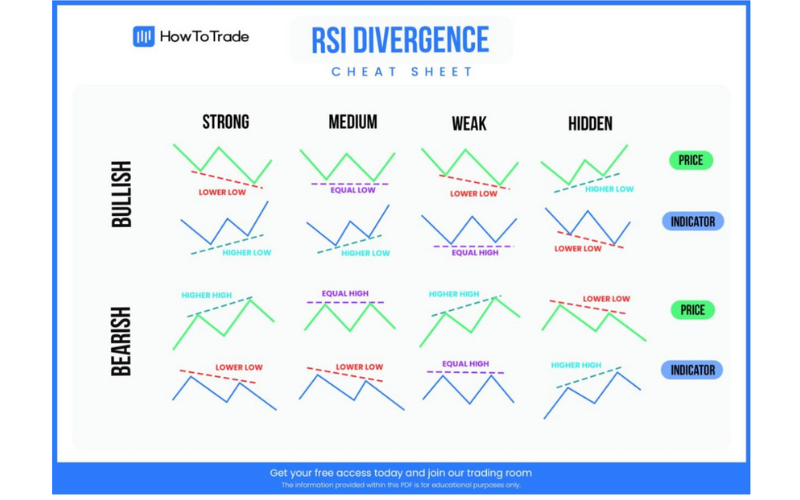
Once prices break below these levels and fail to recover effectively, it often triggers algorithmic and institutional selling.
The increased trading volume during the decline indicates that risk aversion originates from the institutional level.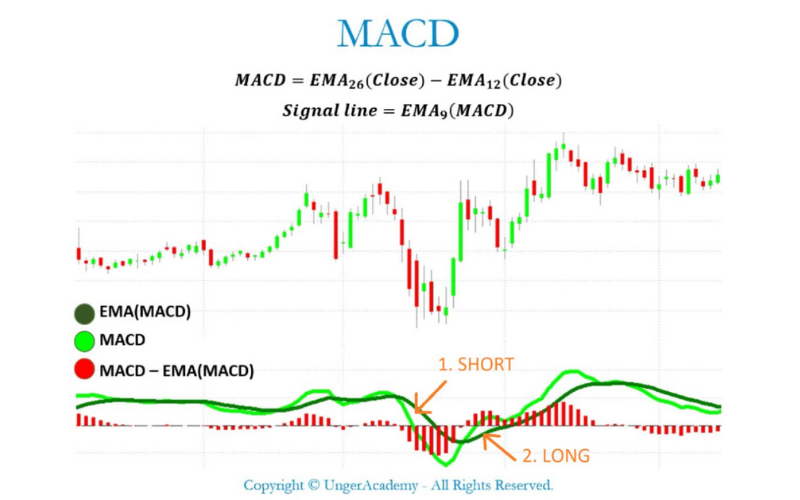
Oscillation time is shortening, and trends are more persistent after formation, but the duration is shorter.
David Whitcombe emphasizes: “In the current environment, whether a stock can hold its medium-term VWAP (Volume-Weighted Average) is often more indicative of its directional nature than a single financial indicator.”
1. Valuation is at a historical low.
2. Cash flow structure is relatively stable.
3. There are potential expectations of corporate governance, capital operations, or strategic adjustments.
1. Breaking through a long-term downtrend line.
2. Rapidly recovering multiple medium-term moving averages with increased volume.
3. Short covering and event expectations resonate.
Stock movements are no longer highly synchronized,
relative strength, trend structure, and risk-reward ratio are becoming more important.
Capital-intensive models with longer return cycles are more vulnerable.
Companies with strategic flexibility and capital efficiency advantages are more likely to attract funding.
At this stage, price action often precedes market consensus, especially in events, restructuring, or strategic expectation-driven environments. “We are in a market where charts are more persuasive than guidance.”
LINK FOREX's internal model shows that the US stock market is entering a phase characterized by:
1. A rising volatility center
2. Shorter trend durations
3. Excess returns are more dependent on entry timing, technical confirmation, and risk management
LINK FOREX LTD: stock@link-forex.com
FOREX FUSION LTD: trading@forex-fusion.com
Contact: David Whitcombe
Company Name: LINK FOREX LTD
Website: https://www.link-forex.com/
Email: stock@link-forex.com